

Air conditioning systems are essential for maintaining comfort in residential and commercial spaces. Choosing the right system requires understanding the technical differences, energy efficiency, installation considerations, and maintenance requirements. Kdac Electrical Supply guides evaluating systems effectively to ensure the choice aligns with both performance needs and long-term value.
Air conditioners come in various types, capacities, and technologies. Decisions are influenced by room size, climate, energy usage, refrigerant type, and noise levels. This guide outlines the core considerations, helping buyers make informed choices before selecting a system for their home or office.
Understanding Air Conditioning Types
Air conditioners can be broadly categorized into several types, each suitable for different applications:
Split Systems
-
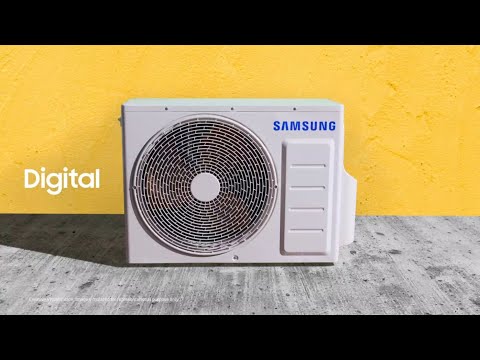
Wall-mounted indoor units connected to outdoor condensers.
-
Offer precise temperature control for individual rooms.
-
Inverter technology provides energy-efficient operation.
Ducted Systems
-
Centralized units with concealed ductwork distribute air across multiple rooms.
-
Ideal for whole-home or commercial spaces.
-
Provide consistent temperatures and zoning capabilities.
Portable and Window Units
-
Single-unit systems suitable for temporary or small spaces.
-
Minimal installation requirements but limited coverage.
Inverter vs Non-Inverter
-
Inverter systems adjust compressor speed to save energy and maintain stable temperatures.
-
Non-inverter systems operate at fixed speeds, often consuming more electricity.

Key Factors to Evaluate Before Buying
When researching air conditioners, buyers typically consider the following:
|
Factor |
Description |
Importance |
|
Cooling Capacity |
Measured in kW or BTU; must match room size |
High |
|
Energy Efficiency |
SEER or star rating; affects long-term running costs |
High |
|
Refrigerant Type |
R32, R410A, or R22; impacts environmental compliance and performance |
High |
|
Installation |
Space, ducting, or mounting requirements |
Medium |
|
Noise Level |
Indoor and outdoor unit sound levels |
Medium |
|
Maintenance |
Filter cleaning, refrigerant refills, and servicing ease |
Medium |
Using this table, buyers can quickly compare multiple systems based on technical and practical considerations.
Refrigerants and Environmental Considerations
Modern air conditioners primarily use R32 or R410A refrigerants. Key distinctions:
-
R32
-
Lower Global Warming Potential (GWP)
-
Slightly more energy-efficient
-
Compatible with most inverter systems
-
R410A
-
Higher GWP but widely available
-
Common in older or standard split systems
-
Slightly higher energy consumption in some scenarios
Proper refrigerant selection ensures compliance with environmental regulations and reduces energy costs over the system’s lifespan.
Installation and Space Considerations
-
Split systems require minimal space but need wall support and outdoor condenser placement.
-
Ducted systems require professional design to ensure airflow efficiency.
-
Portable and window units are less intrusive but suitable only for small areas.
-
Proper installation impacts system longevity, efficiency, and comfort levels.
Air Conditioner Decision Factors in E-commerce Research
When buyers shop online, they often evaluate:
-
Room Size Compatibility: Ensuring the selected unit can cool or heat the intended space efficiently.
-
Energy Ratings: Looking for long-term savings and environmental compliance.
-
Noise Levels: Considering units for bedrooms, offices, or living areas.
-
Maintenance Requirements: Checking ease of filter replacement and servicing.
-
Brand Reliability and Warranty: Comparing technical support and longevity.
Understanding these factors helps streamline the comparison process and increases confidence in purchasing online.
Bonus Tips from Industry Experience
-
Measure Your Space Accurately: Oversized or undersized units reduce efficiency and comfort.
-
Check Climate Suitability: Certain refrigerants perform better in hotter climates.
-
Regular Maintenance: Clean filters and schedule servicing to maintain efficiency.
Common Questions About Air Conditioning
What size air conditioner do I need for my room?
Room dimensions and insulation affect cooling capacity. A 20–25 m² room typically requires 2.5–3.5 kW.
How do I choose between a split and ducted system?
Split systems are ideal for single rooms; ducted systems are better for multi-room homes or offices.
Are inverter systems worth the extra cost?
Yes. They provide energy savings and consistent temperatures compared to non-inverter units.
How often should I service my air conditioner?
Generally, every 12 months. Filter cleaning may be required more frequently.
What is the difference between R32 and R410A refrigerants?
R32 has a lower environmental impact and slightly higher energy efficiency. R410A is widely available and compatible with older systems.
Conclusion
Selecting the right air conditioning system involves understanding types, refrigerants, installation needs, and operational factors. By considering energy efficiency, capacity, noise levels, and maintenance requirements, buyers can make informed choices that ensure comfort, compliance, and long-term value. Kdac Electrical Supply provides the insights necessary for confident, research-backed decisions.
Contact for Guidance
For further advice or clarification, contact Kdac Electrical Supply:
Email: sales@kdac.com.au
Phone: 0458 888 877